A Social Justice Newsletter For Educators
Well, we made it to September.
In the northern hemisphere, new school years are beginning or have already begun. And this year, in the midst of the global pandemic, re-opening schools, commencing instruction feels so inescapably fraught. We know beginnings to be vital to the learning enterprise – for setting the tone, for building community and trust. In this atmosphere of relative uncertainty, how do we set ourselves and our learners up for success?
That’s a big question to which there are thankfully many useful answers. At the heart of the best responses that have crossed my path, those with a focus on people first, on care, respect and support have resonated deeply.
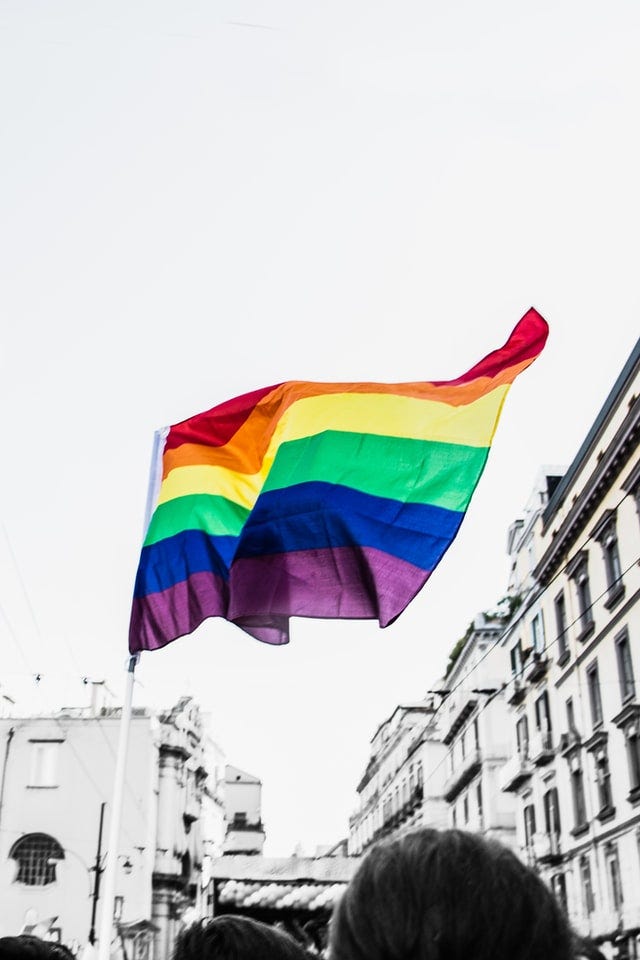
The theme for this edition of Bending The Arc might not be the one you were expecting. As we start our school year I want to encourage all of us to spend some time interrogating gender, sexuality and identity and how these show up in our classrooms, in our biases and in our day to day lives. Gender and sexuality are areas of learning for me, where I feel much more ignorant than knowledgeable. That’s a sign of work that needs doing!
While investigating resources to share, I discovered GLSEN’s (Gay, Lesbian and Straight Education Network) toolkit for elementary teachers. In their “Ready, Set, Respect” document they offer excellent tips for teaching more inclusively. Here are some examples:
Make sure the analogies you use when teaching don’t rely on hetero-normative or gender-normative images or viewpoints.
Find ways of grouping and lining up students other than “boys here, girls there” or “boys do this, girls do that.”
Become more aware of the ways that you support gender stereotypes in your expectations of students and their work and intervene when you hear students making gender-based assumptions. (emphasis mine)
All forms of social justice engagement insist that we question our assumptions and be prepared to change our habits.
While the points above make sense, we have to do more than just nod in agreement. We need to be deliberate in noticing the ways many of our cis-gender and heterosexual assumptions inform our teaching.
To get started, it’s helpful to get a handle on terminology which is always evolving.
National Geographic offers a concise glossary of terms that would be excellent to use with middle and high school students.
“But Why” is a podcast aimed at young audiences (ages 5 -14). I found this episode about biology and culture in understanding gender highly informative and very interesting. Might provide great material for student discussion.
(While you’re at it, also check out this selection of podcasts for young listeners recommended by Common Sense Media.)
If you’re looking to build your stack, consider these sources:
Queer Books For Teens offers a database of young adult books featuring queer protagonists published since 2000.
British Columbia and Alberta have the Sexual Orientation and Gender Identity network which provides a wealth of resources for teachers and parents. This book list includes titles for each age and reading level.
Also, ELMLE will be hosting an evening discussion with Zurich International School’s team of advisors for their Sexuality And Gender Awareness Club on September, 28th 6pm – 7pm CET. I attended their workshop in January and it was excellent!
Finally, I want to offer writing by two educators who are out and write about their experiences in school and how these have informed their practices as teachers.
Josh Thompson, Being The Teacher I Needed
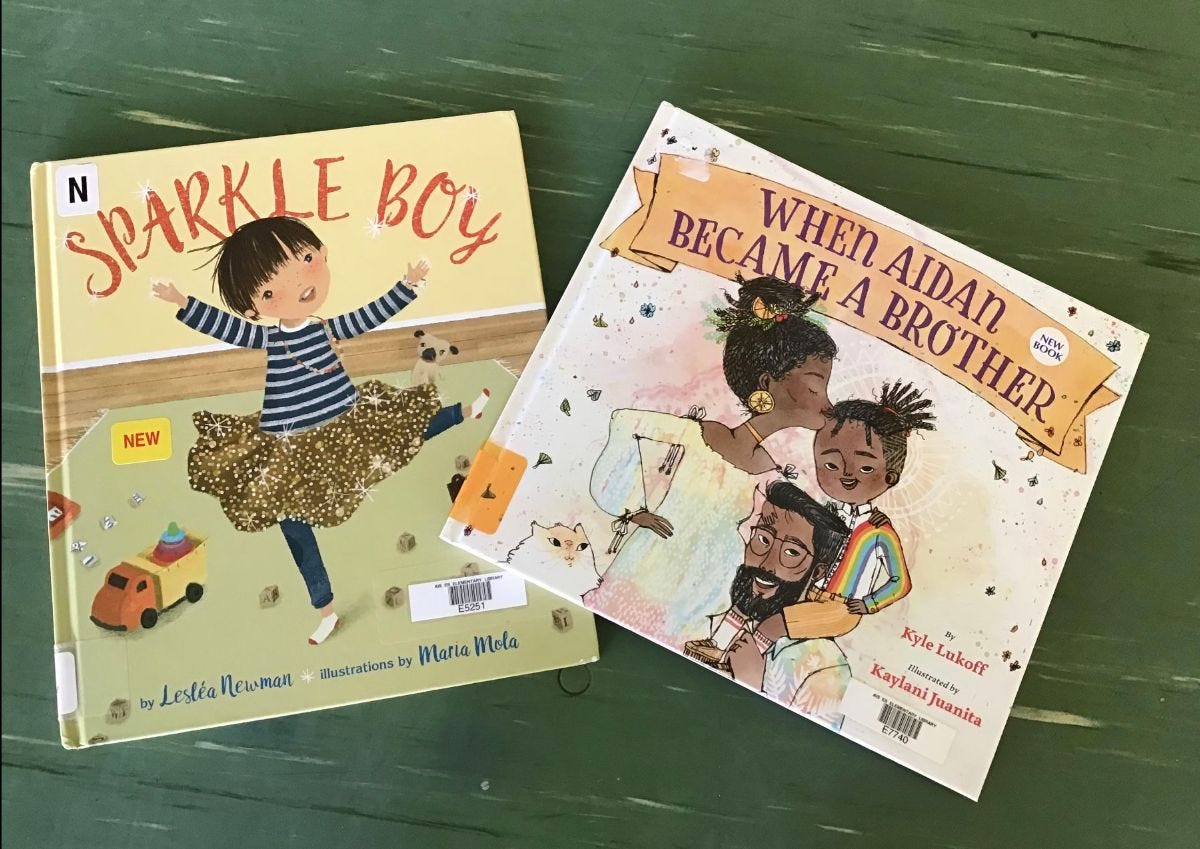
Jess Lifshitz, The Books I Wish I Had
“These books, ones with strong Queer characters of all kinds, they are what all of our kids deserve. Because everyone deserves the chance to figure out who they are. And everyone deserves the chance to do that by seeing themselves reflected in our classrooms.” – Jess Lifshitz, “The Books I Wish I Had”
Of course, I offer you a smorgasborg of possibilities while recognizing that a single newsletter can never do these topics justice. Like all learning endeavors, it’s a process.
Be well,
Sherri
Image credits: Above: Photo by Sara Rampazzo on Unsplash; Below: S. Spelic.
 Bending The Arc
Leave a comment